
Behind the S-Curve · Marketing & Commerce
How to Create a Loyalty Program For Repeat Purchases
What is a loyalty program? Learn how to create a points system that encourages repeat purchases, along with the benefits and successful examples.

Contents (6)
How to Create a Loyalty Program to Build Repeat Customers
One of the most powerful strategies to encourage repeat business is a loyalty program — a system that rewards customers and builds long-term relationships. A loyalty program offers incentives and special privileges to promote repeat purchases. However, knowing how to create a loyalty program that succeeds goes beyond offering simple rewards. It requires thoughtful design that considers customer behavior, motivation, and ease of use, creating memorable experiences that drive true brand loyalty over time.

What Is a Loyalty Program and Why Is It Important?
A loyalty program is a marketing strategy designed to reward customers for their repeat purchases. The main goal is to retain existing customers, increase purchase frequency, and maximize customer lifetime value (CLV). In addition to boosting sales, loyalty programs help strengthen the relationship between customers and brands, fostering deeper emotional connections that encourage long-term loyalty.
Benefits of a Loyalty Program for Businesses
Increases Repeat Purchases
A well-designed loyalty program incentivizes customers to return by offering valuable rewards such as points that can be redeemed for discounts, gifts, or exclusive deals.
Strengthens Long-Term Relationships
Point-based systems make customers feel like valued "members" of the brand community, deepening their emotional connection and increasing the likelihood of ongoing support.
Creates Competitive Differentiation
In crowded markets, a standout loyalty program can give a brand a competitive edge by delivering superior value and memorable experiences.
Encourages Word-of-Mouth Referrals
Satisfied customers who enjoy collecting points and receiving rewards are more likely to recommend the brand to others, either through personal referrals or social media, naturally boosting brand awareness.
Popular Types of Loyalty Programs
1. Point-Based Loyalty Program
Customers earn points with every purchase or designated action, which can later be redeemed for rewards such as discounts, gifts, or special privileges.
2. Tiered Loyalty Program
This system categorizes customers into tiers based on cumulative spending (e.g., Silver, Gold, Platinum). Higher-tier members receive greater benefits, motivating customers to climb the loyalty ladder.
3. Cashback Loyalty Program
Customers receive a percentage of their spending back as credit or cash, offering a tangible incentive to keep making purchases.
4. Subscription-Based Loyalty Program
Customers pay a monthly or annual subscription fee to access special benefits like permanent discounts, early product access, or exclusive services.
5. Gamification Loyalty Program
Integrating game mechanics like unlocking levels, collecting coins, or completing challenges makes earning rewards more engaging and interactive, increasing customer participation.
How to Create a Loyalty Program That Succeeds
1. Align the Program with Business Strategy
The goals of the loyalty program must be clearly defined, such as increasing repeat purchases within three months or raising the average basket size per transaction.
2. Offer Meaningful Rewards
Rewards should provide either high emotional or economic value, such as exclusive gifts, member-only discounts, or access to VIP events not available to the general public.
3. Ensure Ease of Use
Registration, point collection, and reward redemption should be simple and streamlined, preferably accessible through online platforms like apps, websites, or digital membership cards.
4. Communicate Effectively and Consistently
Regularly update customers about their point balance, new rewards, or special promotions via multiple channels, including email, SMS, or social media, to maintain engagement.
5. Use Customer Behavior Data for Optimization
Analyzing customer spending patterns, interests, and behaviors allows businesses to personalize the loyalty program, offering rewards that align closely with individual preferences.
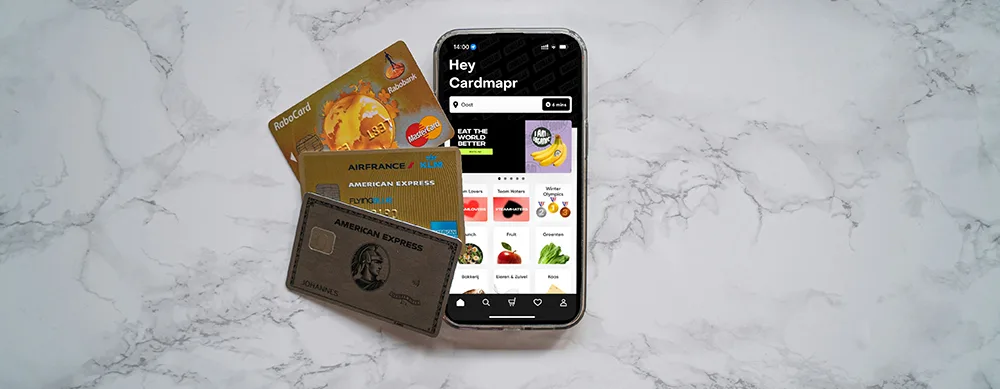
Examples of Successful Loyalty Programs
Starbucks Rewards
Starbucks’ rewards program allows customers to collect stars and redeem them for free drinks and special treats. Members also enjoy exclusive perks like mobile order-ahead and a free birthday beverage.
Sephora Beauty Insider
Sephora’s tiered membership system offers different rewards based on spending levels, including exclusive promotions and gifts for top-tier members.
The 1 Card (Central Group)
One of Thailand’s most comprehensive loyalty programs, The 1 Card allows customers to collect and redeem points across a wide range of Central Group brands, offering both flexibility and convenience.
A loyalty program is a highly effective marketing tool for building long-term customer relationships and increasing repeat business. To maximize impact, businesses should select the type of loyalty system that best fits their target audience, design an easy-to-use platform, and offer attractive rewards that truly motivate customers to stay engaged. Consistently tracking and analyzing customer behavior will help further refine and optimize the program, contributing to sustainable business growth over time.
For brands looking to elevate their loyalty initiatives, partnering with a tech solution company specializing in membership systems and customer data management can be a strategic move to enhance customer experiences and achieve long-term success.
Related



One email a week
S-Curve Weekly
The week's signals and one deep read, chosen for leaders.
One email a week. Leave whenever you like.
Where is your business on its curve?
Talk it through with our growth team: a first conversation, no deck required.