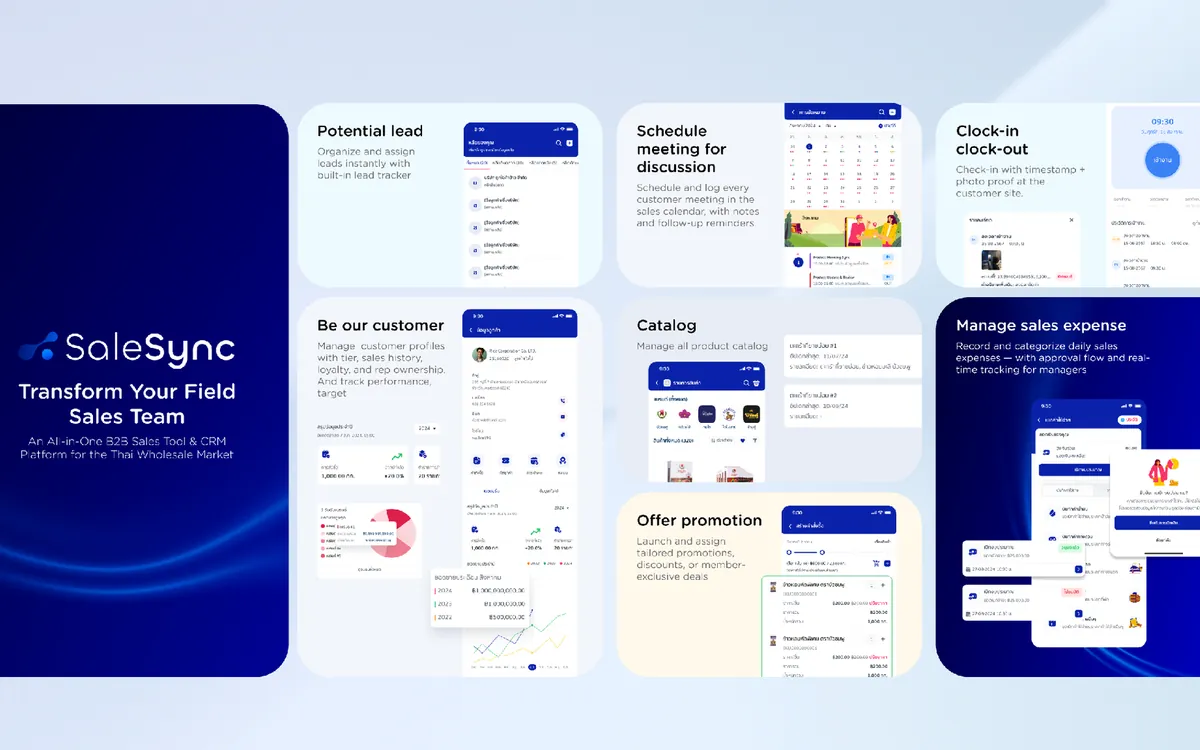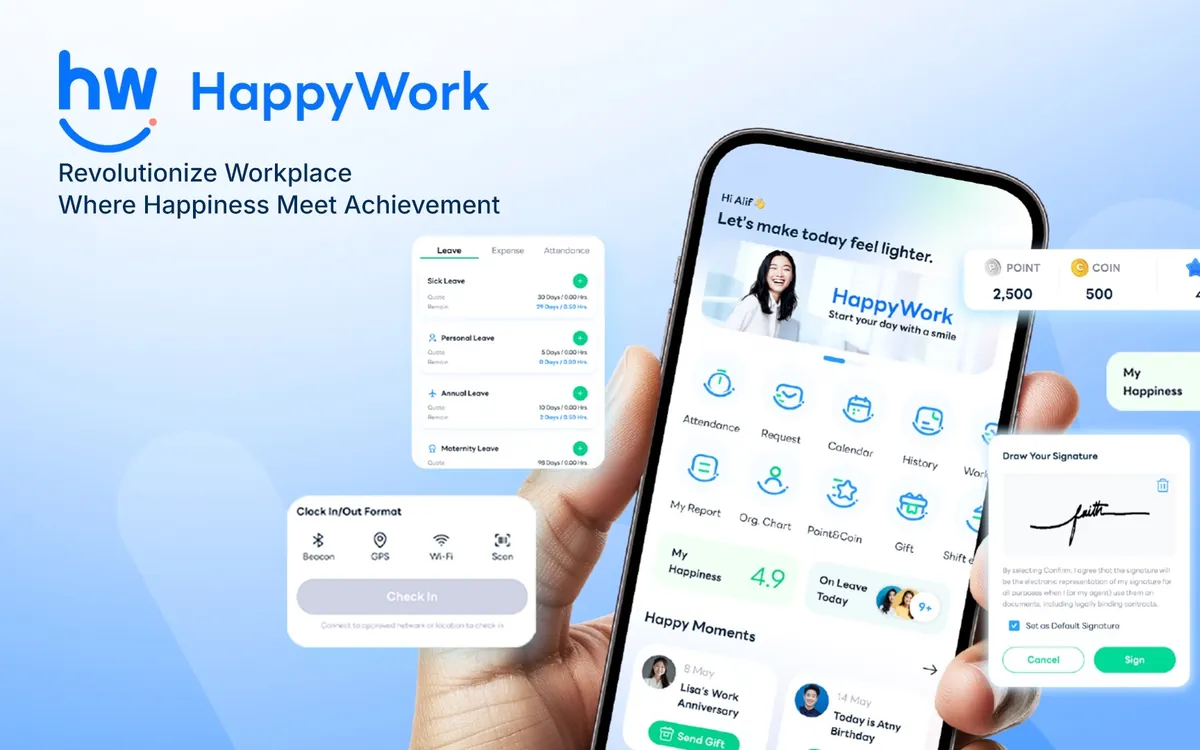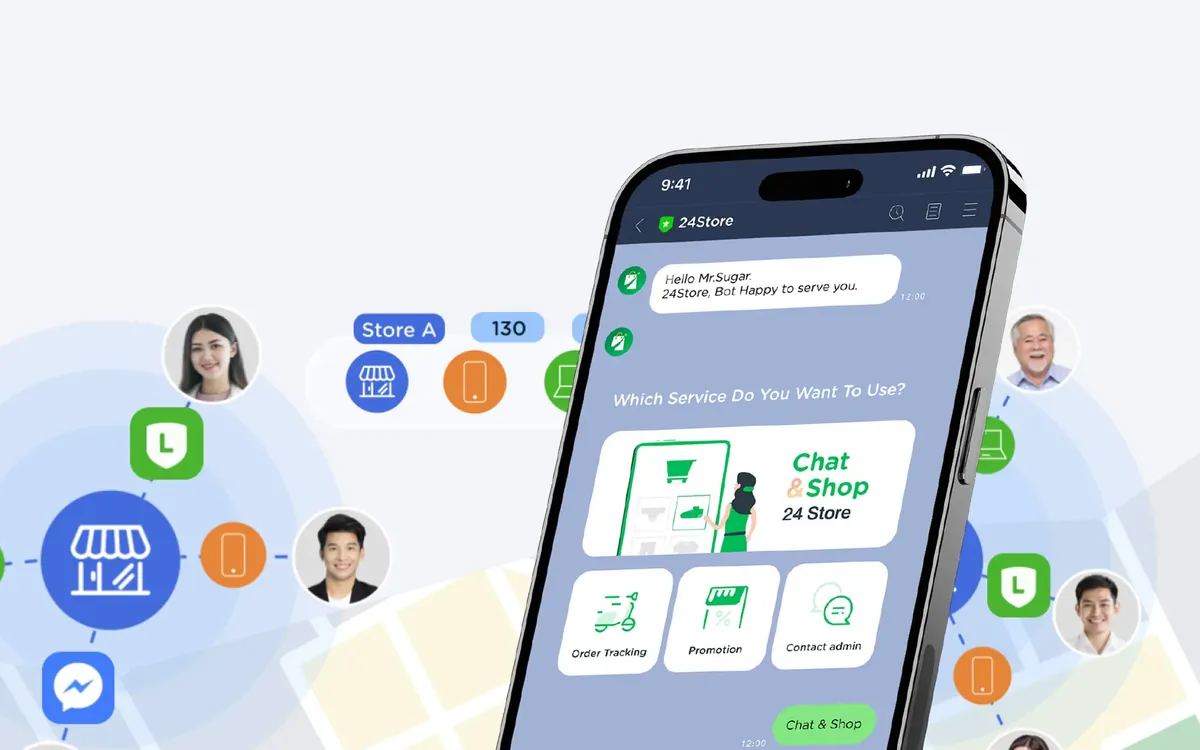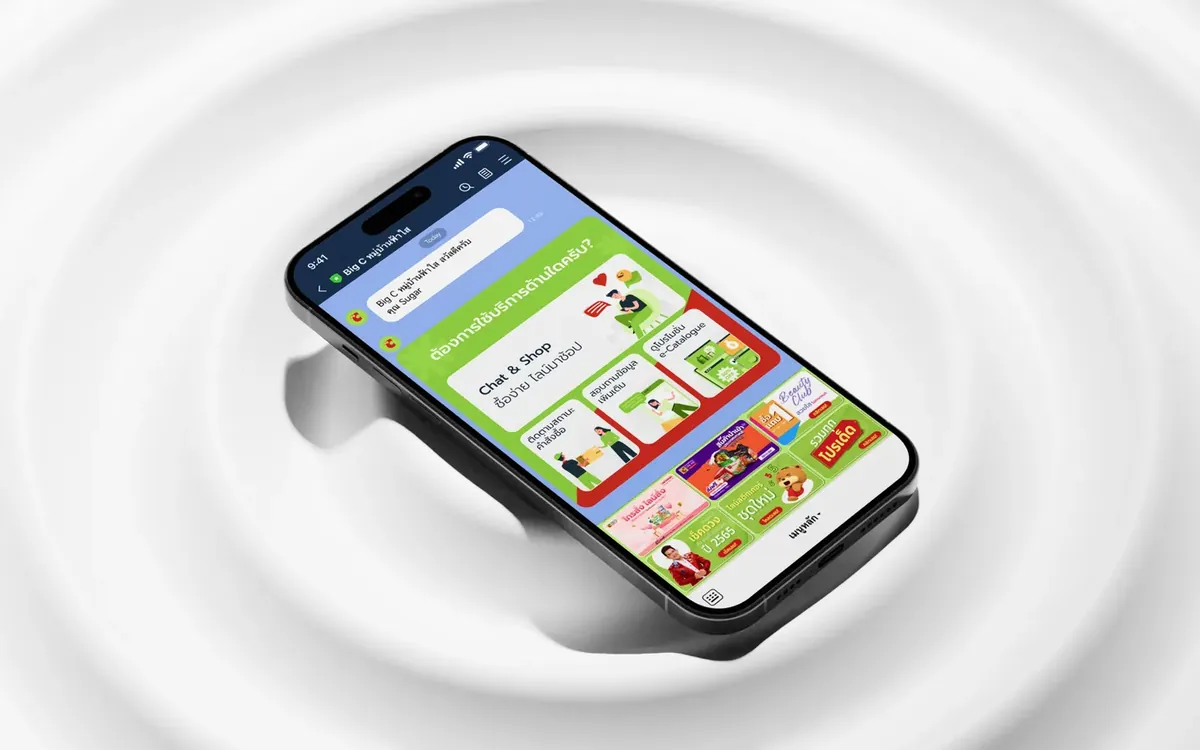
Enterprise Software & AI

Get AI out of the pilotand into real work.

Data and AI built on the systems you already run. Every action is traceable, and the team stays after go-live.

01 · Pain points

What stops enterprise AI reaching production?

Pilots prove AI can work. These four gaps stop it working every day.

01

AI is still stuck in the pilot

It works in the test. It isn't part of daily work yet.

02

Not enough people to build and run systems

Technology changes fast. Building an expert team takes time.

03

Touch one legacy system, and the whole company feels it

Years of ERP, CRM and core systems make every change a big project.

04

Delivered, then nobody looks after it

After go-live, every problem and new request lands back on your team.

The number to watch

Use cases in production

Use cases in daily work ÷ use cases piloted, still running in year three

  • Pilot
  • Live
  • Year 1
  • Year 3

The baseline comes from your AI readiness assessment.

Our reading
Pilots rarely fail on the model. They fail at the hand-off: to core systems, to permissions, and to the people who run the business every day.

Most pilots stall at the hand-off, not the model

  1. Step 1

    The pilot works

    The model proves it can do the job.

  2. Step 2

    Connect core systems

    Plug into ERP, CRM and POS with reusable connectors.

  3. Step 3

    Set permissions and approvals

    Each team sees its own data. People approve high-impact actions.

  4. Step 4

    People use it daily

    It becomes part of the work, with a team behind it.

  5. Result

    Still running in year three

Illustration. We plan each hand-off before go-live.
02 · What it is

How does AI move from pilot to production?

Plug in, don't rip out: connectors to the systems you run, an audit trail on every action, permissions by organisation and role.

  • Before

    A pilot that proves it can work

    Now

    Systems in real use, with ongoing care

  • Before

    Delivered and done

    Now

    Built and co-operated continuously

  • Before

    Every integration built from scratch

    Now

    Reusable architecture and connectors

  • Before

    AI whose outputs can't be traced

    Now

    An audit trail for every action

  • Before

    Data scattered across systems

    Now

    Permissions and data separated by organization and role

We don't measure success on delivery day. We measure it in year three, when the system still runs well.

03 · How it works

Your systems stay. New capability plugs in above them.

  1. Apps people useWeb, app, LINE and chat, where the work happens
  2. Data & AIData, models and AI agents on one governed layer
  3. ConnectorsAPIs and MCP, built to be reused
Systems you already runERP, CRM, POS and HR stay as they are
Stays as it is
  • Audit trail on every actionEvery action can be traced back
  • Permissions by organisation and roleEach team sees only its own data
Your systems of record stay. New capability plugs in above them — traceable and permissioned.
04 · Growth loop

Why is each use case easier?

Every new use case reuses the connectors and data the last one built.

Reuse what the last use case built

The loop, step by step:
  1. 01AssessAI readiness or Growth X-⁠Ray, 4–6 weeks
  2. 02ConnectPlug into ERP, CRM and core systems
  3. 03Go liveWith an audit trail and role-based permissions
  4. 04Co-operateWe run it with your team after go-live
  5. 05ReuseConnectors and data carry into the next use case
05 · Success factors and why Jenosize

What keeps AI in production, and why Jenosize?

  1. Choose use cases by valuePrioritise by expected return, not novelty.
  2. Connect to systems of recordWork through APIs and MCP; your systems keep running as they are.
  3. People approve what mattersHigh-impact actions keep a human approval; every action is traceable.
  4. Plan for year threeOwnership, monitoring and updates are part of the build, not an afterthought.
ISO/IEC 27001:2022information security
ISO 29110software development process
In productionAI Employee runs in our own operations
Reference letterCounter Service PWA and app (2023)

From opportunity to scalable growth.

06 · Customers and projects

Which Jenosize systems still run the business today?

7-⁠Eleven's next stage of growth runs on software: the Super App, its experience, and branches connected into one system.

A customer paying by phone at a 7-⁠Eleven counter

7-⁠Eleven · Retail

The Super App behind 7-⁠Eleven's digital store

7-⁠Eleven took its stores online through 7-⁠Delivery and All Online.

When the app got crowded, Jenosize redesigned it around the pain points from a survey of real users.

Branches were connected into one system.

share of 7-⁠Eleven sales through 7-⁠Delivery and All Online, 2020 to 2025
3% → 11%
ALL Member members
22M+
7-⁠Eleven stores in Thailand
16,000+
Read the case
  1. S-curve 2: Digital store

    Super App & mobile commerce

    ≈11%of 7-⁠Eleven sales through 7-⁠Delivery and All Online

07 · Add-on services and products

What we do best, for your business

FAQ

Frequently asked questions

Yes. Jenosize connects AI to your ERP, CRM and core systems through APIs and MCP, within the project scope agreed at the design stage. Existing systems stay in place.

The analysis and readiness assessment takes about 4–6 weeks, to prioritize use cases and estimate the expected return.

Jenosize continues to run and maintain the system after go-live under an SLA, with a team that knows the system. Details are on the Technology & AI page.

Jenosize builds enterprise AI that connects to ERP, CRM and existing core systems, keeps an audit trail of every action, and runs the system with the client after go-live. Jenosize holds ISO/IEC 27001:2022 and is an AWS Partner.

Drive your next S-curve

A good system has to take the business further

Tell us your challenge, and let's see what kind of system fits your organization.

We only use this to get back to you, per our privacy policy.